

Following the COVID-19 pandemic, electricity prices rose sharply, contributing to an energy affordability crisis across the UK. As a result, both business owners and homeowners have been actively seeking ways to reduce their electricity costs.

Based on recent feedback from a specialist power quality improvement service business, the issue of high reactive power and poor power factor is becoming increasingly common in the UK today, an issue which apparently used to be considered much more widely by electrical engineers and facility managers.

Based on recent feedback from a specialist power quality improvement service business, the issue of high reactive power and poor power factor is becoming increasingly common in the UK today, an issue which apparently used to be considered much more widely by electrical engineers and facility managers.

Based on recent feedback from a specialist power quality improvement service business, the issue of high reactive power and poor power factor is becoming increasingly common in the UK today, an issue which apparently used to be considered much more widely by electrical engineers and facility managers.

Based on recent feedback from a specialist power quality improvement service business, the issue of high reactive power and poor power factor is becoming increasingly common in the UK today, an issue which apparently used to be considered much more widely by electrical engineers and facility managers.

Based on recent feedback from a specialist power quality improvement service business, the issue of high reactive power and poor power factor is becoming increasingly common in the UK today, an issue which apparently used to be considered much more widely by electrical engineers and facility managers.
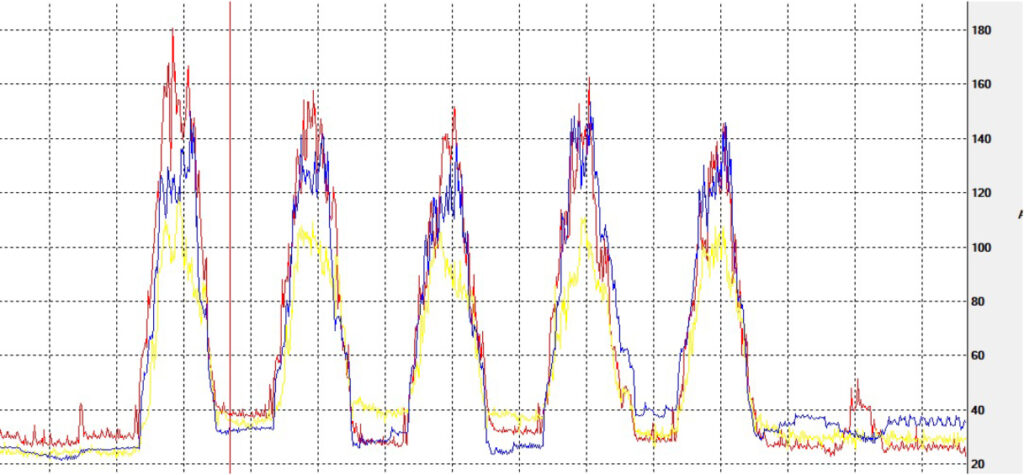
It’s all very well to write about what portable energy loggers (PELs) can do and the sort of benefits they might provide but how do things work out in a real application? To answer that question, an 11-day energy monitoring exercise was carried out at a secondary school in Kent. Julian Grant of Chauvin Arnoux discusses the results.

Even before energy prices started their recent almost exponential climb, businesses could cut their energy bills dramatically simply by analysing their energy usage and identifying opportunities for improvement. Following this approach, a major processor of fresh fruit cut its energy bills in half, as Julian Grant of Chauvin Arnoux explains.

Many domestic installations today are seeing changes in the nature of the electrical equipment being installed in them, or requested to be installed in them, and notably the addition of some fairly high current loads, including most recently heat pumps and EV charge points.

Monitoring energy consumption has become essential for organisations aiming to cut expenses and improve operational efficiency — particularly in the face of rising electricity prices.
